Image Gallery:
Nigeria Validates Ten-Year Roadmap to Transform Veterinary Services
The Federal Government of Nigeria has successfully validated the National Roadmap for the Veterinary Services in Nigeria (2026–2036), setting a bold course to modernise animal health systems, strengthen food security, and enhance public health outcomes nationwide.
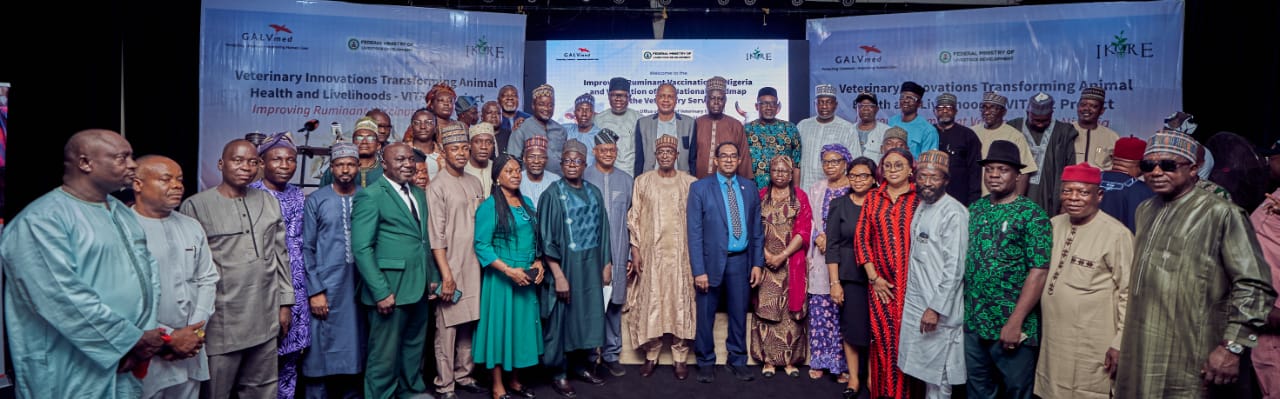
The three-day validation workshop, held in Abuja from April 28th - 30th, 2026, was convened by the Federal Ministry of Livestock Development with support from development partners, including GALVmed and IKORE.
Declaring the workshop open, the Honourable Minister of Livestock Development, Idi Mukhtar Maiha, strssesed the urgency of strengthening veterinary systems in the face of emerging global health threats.
“This roadmap provides a clear, forward-looking vision to build a modern, resilient, and globally compliant veterinary system that supports livestock productivity, protects public health, and facilitates safe trade,” the Minister stated.
The Permanent Secretary, Federal Ministry of Livestock Development, Dr. Chinyere Ijeoma Akujobi, highlighted persistent systemic challenges undermining service delivery at the sub-national level.
“Several systemic issues continue to limit effectiveness, including gaps in manpower distribution, weak surveillance systems, and underperforming veterinary laboratories due to inadequate infrastructure and resources,” she stated.
In his remarks, the Senior Special Assistant to the President on Livestock Development, Idris Ajumobi, reaffirmed the administration’s commitment to implementation of the roadmap through strategic investments and institutional strengthening.
Welcoming participants earlier, the Chief Veterinary Officer of Nigeria, Dr. Samuel Anzaku, noted that the roadmap is a product of extensive consultation and offers practical strategies and measurable targets to transform the sector.
Development partners commended Nigeria’s leadership and ambition in repositioning the livestock sector. Speaking on behalf of the Food and Agriculture Organization (FAO), Dr. Otto Vianney Muhinda reaffirmed international support.
He said, “FAO is pleased with the clear vision and ambition demonstrated by Nigeria in the livestock sector. We stand ready to support the Ministry in mobilizing global expertise and resources to achieve its transformative goals.”
On his part, the President of the Nigerian Veterinary Medical Association, Dr. Moses Arokoyo, described the roadmap as a defining moment for the profession, adding that "to remain effective, we must invest urgently in infrastructure, funding, and speed of response. This roadmap has helped us identify these priorities clearly.”
Subnational leaders also pledged alignment with the national agenda. The Commissioner for Livestock Development, Plateau State, Dr. Sunday Akpa, noted, "The vision behind the creation of the Ministry is already inspiring action across states. Together, we are laying the foundation for a stronger livestock sector in the years ahead.”
Taking ownership of the document, the Dean of Directors of Veterinary Services, Dr. Ibrahim Muhammad Bello, stated: “We are the implementers of this roadmap, and we are fully committed to translating its vision into action across all states.”
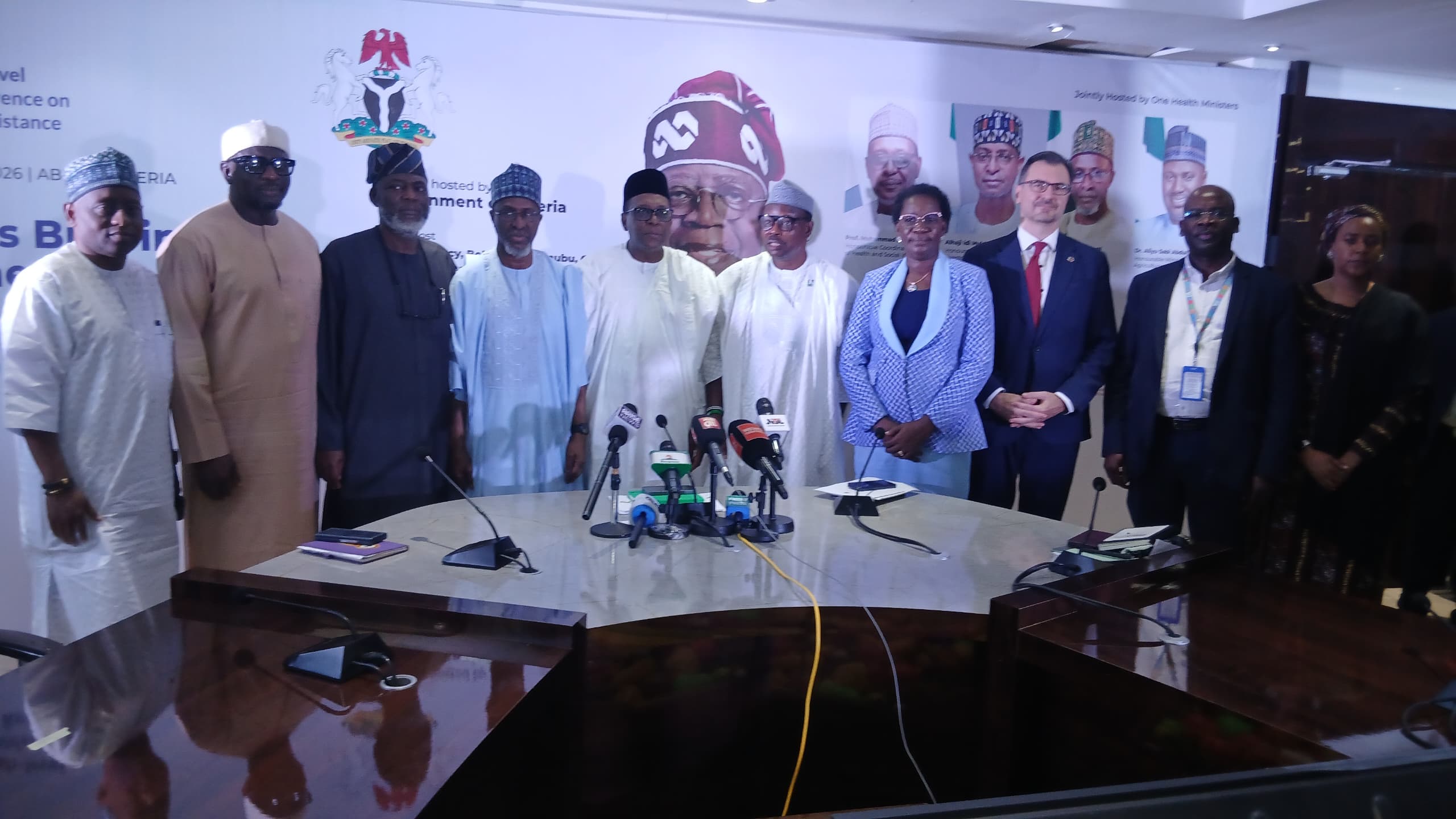
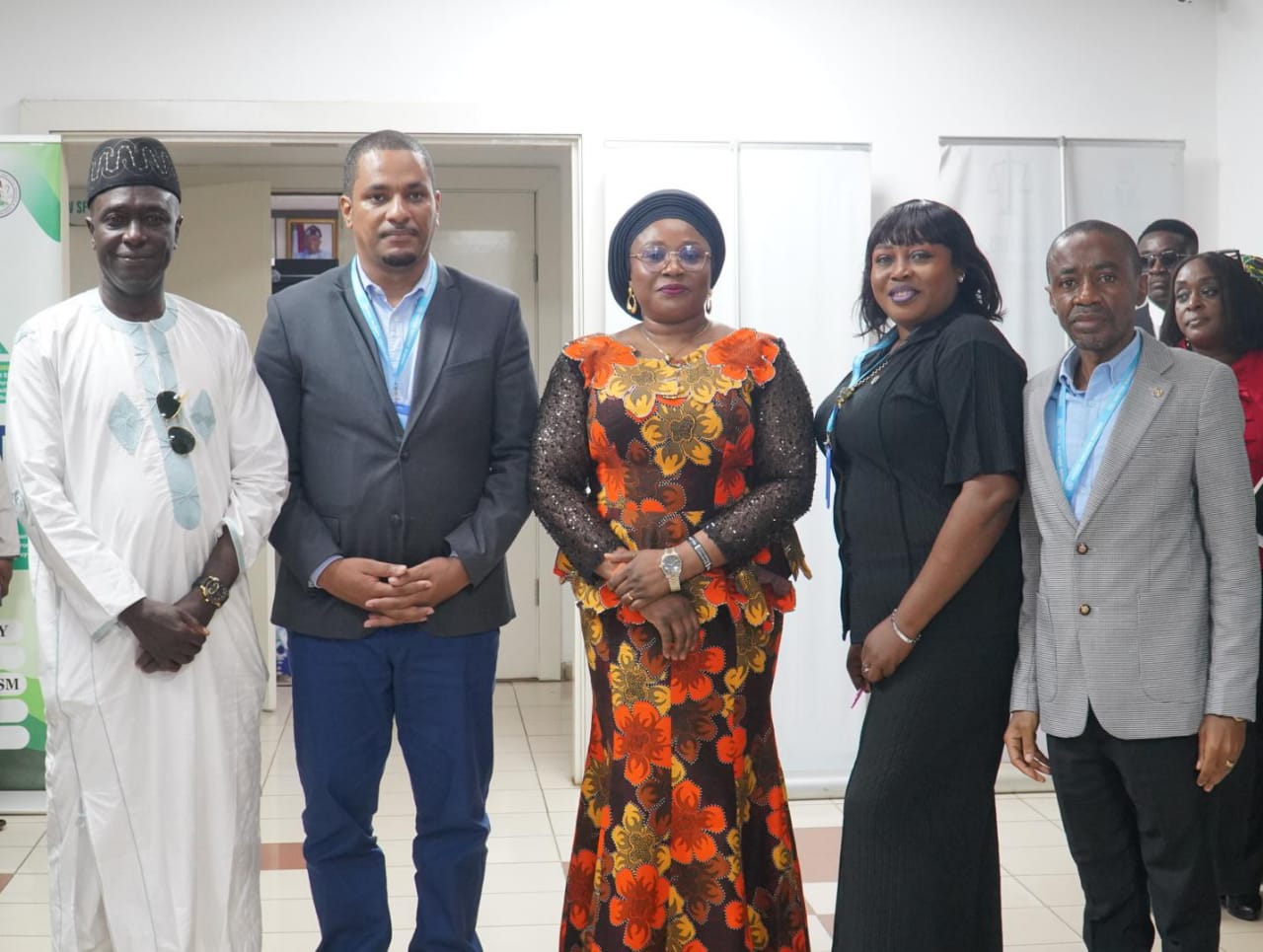
The workshop also recorded the presence of the Honourable Minister of State for Agriculture and Food Security, Senator Dr. Aliyu Sabi Abdullahi, Permanent Secretaries, Directors of the Ministry, heads of key institutions, Directors of Veterinary Services from all 36 states and the Federal Capital Territory, alongside other senior government officials, development partners, academia, and industry leaders.
Participants engaged in extensive technical sessions, including presentations on public-private partnerships, disease surveillance, animal identification and traceability, red meat value chain development, and emerging disease risks such as avian influenza.
At the conclusion of deliberations on Thursday, stakeholders adopted key resolutions aimed at revitalising veterinary services. These include strengthening institutional capacity, establishing sustainable funding mechanisms, enhancing disease surveillance and reporting systems, developing a coordinated national vaccination strategy, and expanding public-private partnerships across the livestock value chain.
The roadmap also prioritises digital transformation, workforce development, and the institutionalisation of the One Health approach to address the interconnected challenges of animal, human, and environmental health.
Henrietta Okokon
Deputy Director, Information and Public Relations
30th April, 2026

Comments on Post (0)