
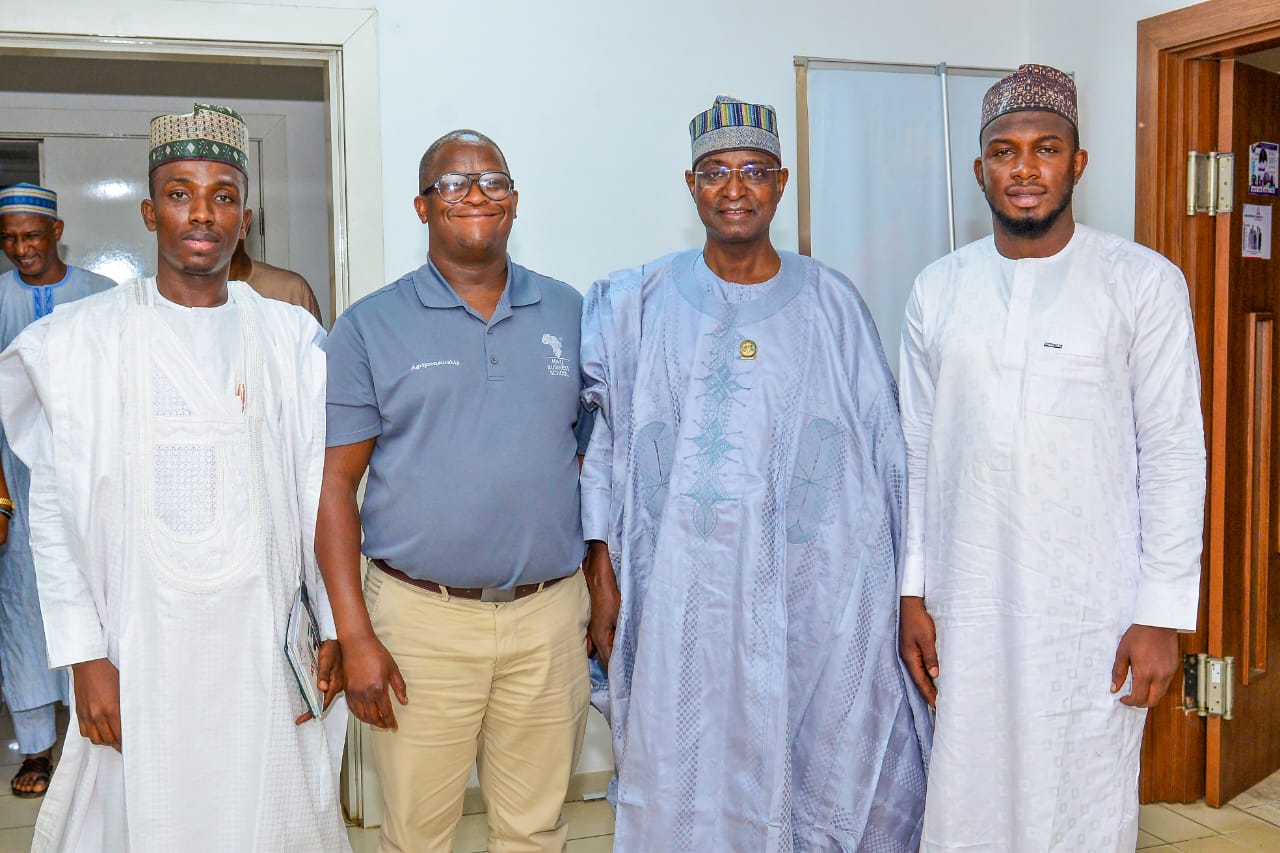
Image Gallery:
Nigeria, South Africa Explore Partnership to Transform Red Meat Production, Grading and Agribusiness
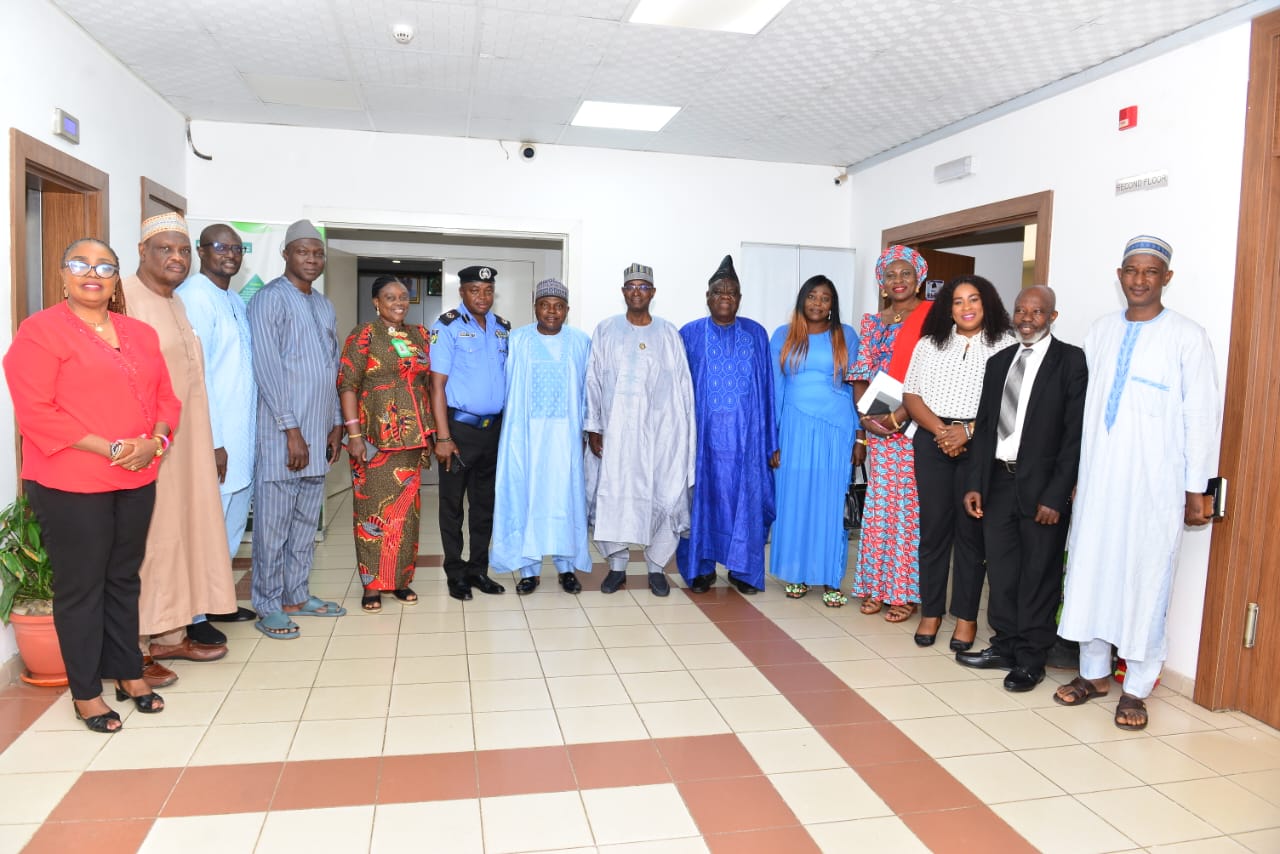
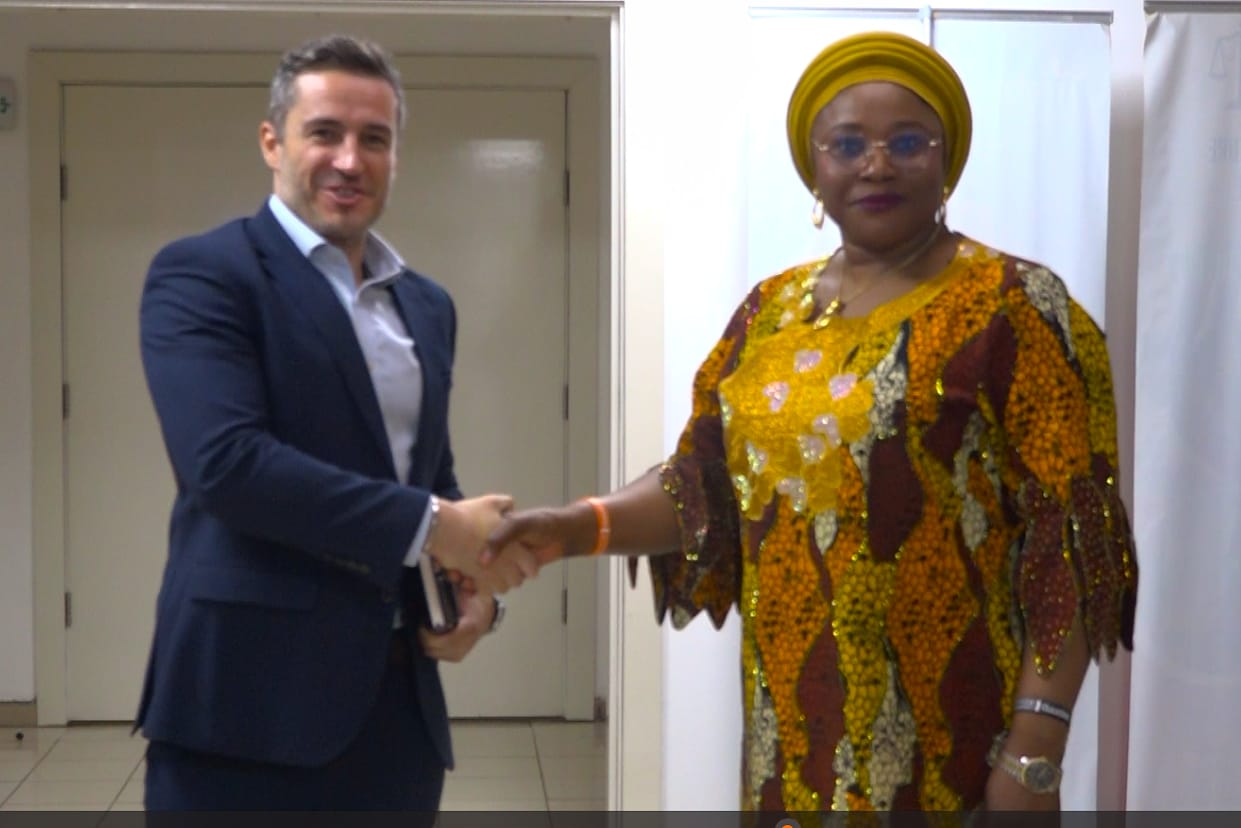
The Federal Ministry of Livestock Development has commenced discussions with key South African institutions and private-sector stakeholders on strategic collaboration to strengthen livestock genetics, red meat production, meat grading and classification, agribusiness development, knowledge exchange and technology transfer.
The engagement brought together Livestock Genetics Africa Limited, a Nigeria-based livestock company; Waymaker Trade Solutions of South Africa, which facilitated the collaboration; the South African Meat Industry Company (SAMIC), which delivered a presentation on red meat standardisation, grading and classification; and the North-West University Business School (NWUBS), South Africa, which participated as part of an agribusiness study tour focused on agripreneurship, knowledge sharing and technology transfer.
Speaking during the engagement in Abuja on Wednesday, the Honourable Minister of Livestock Development, Hon. Idi Mukhtar Maiha, said the proposed partnerships were aimed at accelerating the transformation of Nigeria's livestock sector in line with the Federal Government's Renewed Hope Agenda, particularly in the areas of productivity, food security, economic growth, job creation and expanded market opportunities.
The Minister said, his recent tours and engagements across various parts of the country had focused significantly on improving red meat production and developing a more efficient livestock value chain.
According to him, the development of a viable and commercially oriented red meat industry requires an integrated approach encompassing backward integration, feedlot operations, feed and fodder production, animal health, transportation, cow-calf operations and other critical components of the value chain.
“If we are going to operationalise an agro-tourism and livestock production system, we need backward integration, feedlotting, feed and fodder, animal health, transportation and cow-calf operations, among other critical components,” Maiha said.
The Minister disclosed that , knowledge exchange would be a key component of the proposed partnership, including opportunities for Nigerian students, livestock professionals and other stakeholders to undertake study visits to South Africa and gain practical exposure to modern livestock production systems, including feedlotting and other intensive production methods.
Maiha commended the South African private sector for its contribution to the transformation of the country's red meat industry, stressing that Nigeria had significant opportunities to learn from South Africa's experience.
“You are the best people to talk to, and we are happy to have this conversation. We believe there is a lot to share and learn from you,” he said.
The Minister noted that, Nigeria was interested not only in private-sector experience but also in South Africa's broader livestock development ecosystem, including government policies, dairy production, feed and fodder development, pharmaceuticals, animal health, disease surveillance, logistics, management and standardisation.
He said Nigeria was also taking concrete steps to modernise its livestock infrastructure and improve the operating environment for producers and investors.
These efforts, he explained, include the groundbreaking and development of modern abattoirs, commissioning of veterinary hospitals, initiatives to improve livestock productivity, enhanced access to finance, reduction of trade barriers and the development of other critical livestock infrastructure across the country.
Earlier in his presentation, the Manager of the North-West University Business School, Oarabile Manyaapelo, expressed optimism that sustained collaboration among the Ministry, private-sector stakeholders, universities and industry experts from both countries would contribute significantly to developing a more productive, commercially viable and export-ready Nigerian red meat industry.
Manyaapelo identified, genetics and nutrition as critical pillars for transforming the sector, noting that improved genetics, appropriate nutrition and efficient production systems must work together to enhance productivity and profitability.
He also stressed the importance of meat grading and classification in enabling Nigeria to access premium international markets, including markets in the Middle East.
According to him, the quality and characteristics of meat produced are important determinants of its market value, while internationally recognised grading and classification systems can enhance consumer confidence and improve market access.
He explained that, the role of the North-West University Business School would extend beyond technical knowledge to examining sustainable business models capable of integrating the various components of the red meat value chain.
“The big thing for us as a business school is the business model. How do we integrate all of these variables to help reconfigure the business models in the red meat industry?” Manyaapelo said.
Also speaking, the Chief Operating Officer of Livestock Genetics Africa Limited, Abdulrahman Barkinfo, said the proposed collaboration presented an opportunity for Nigeria to review some existing approaches to cattle production and adopt improved production and business models.
He noted that, such approaches could enable producers to raise higher-quality animals within shorter production cycles, thereby improving productivity, profitability and competitiveness.
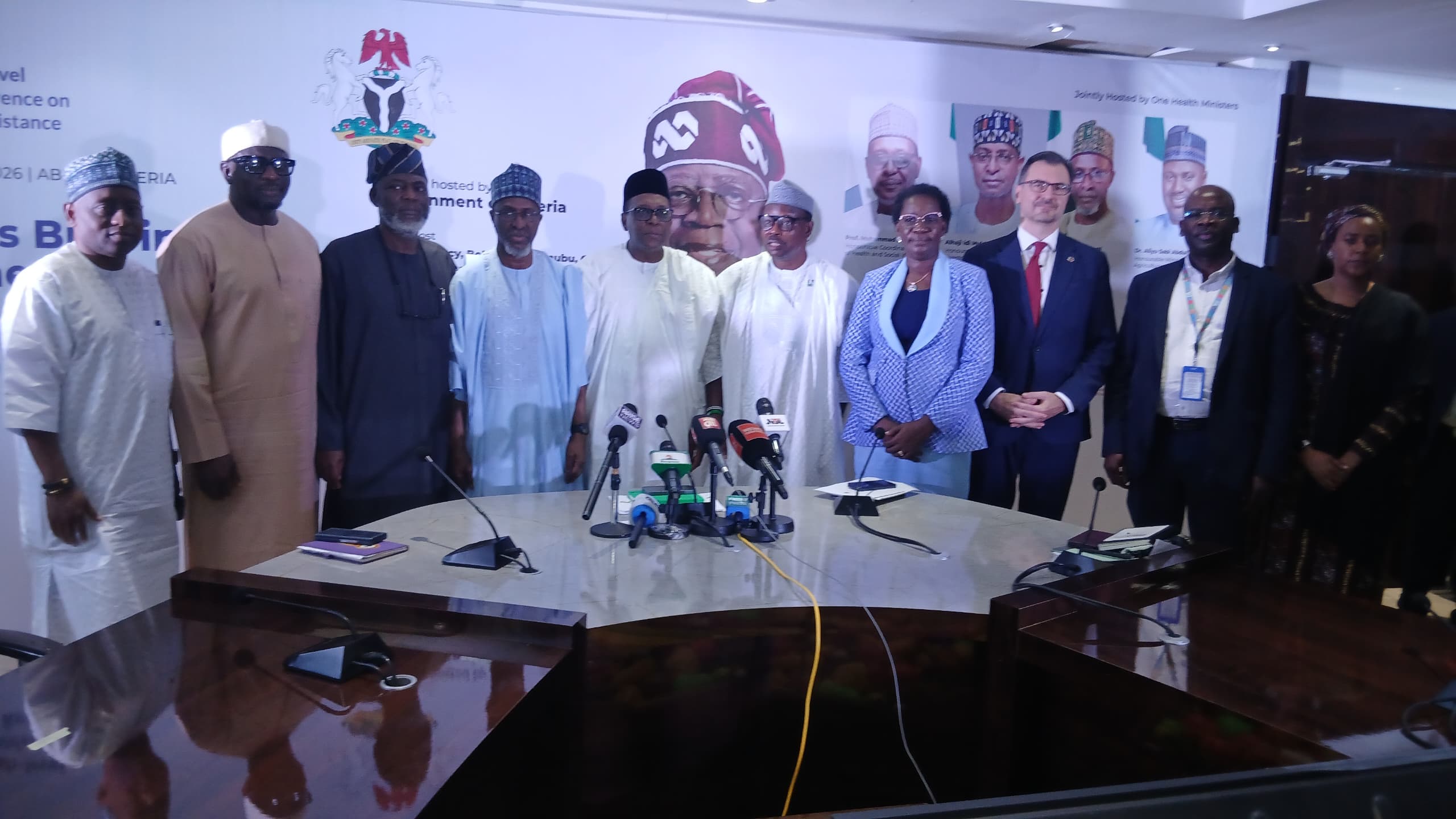
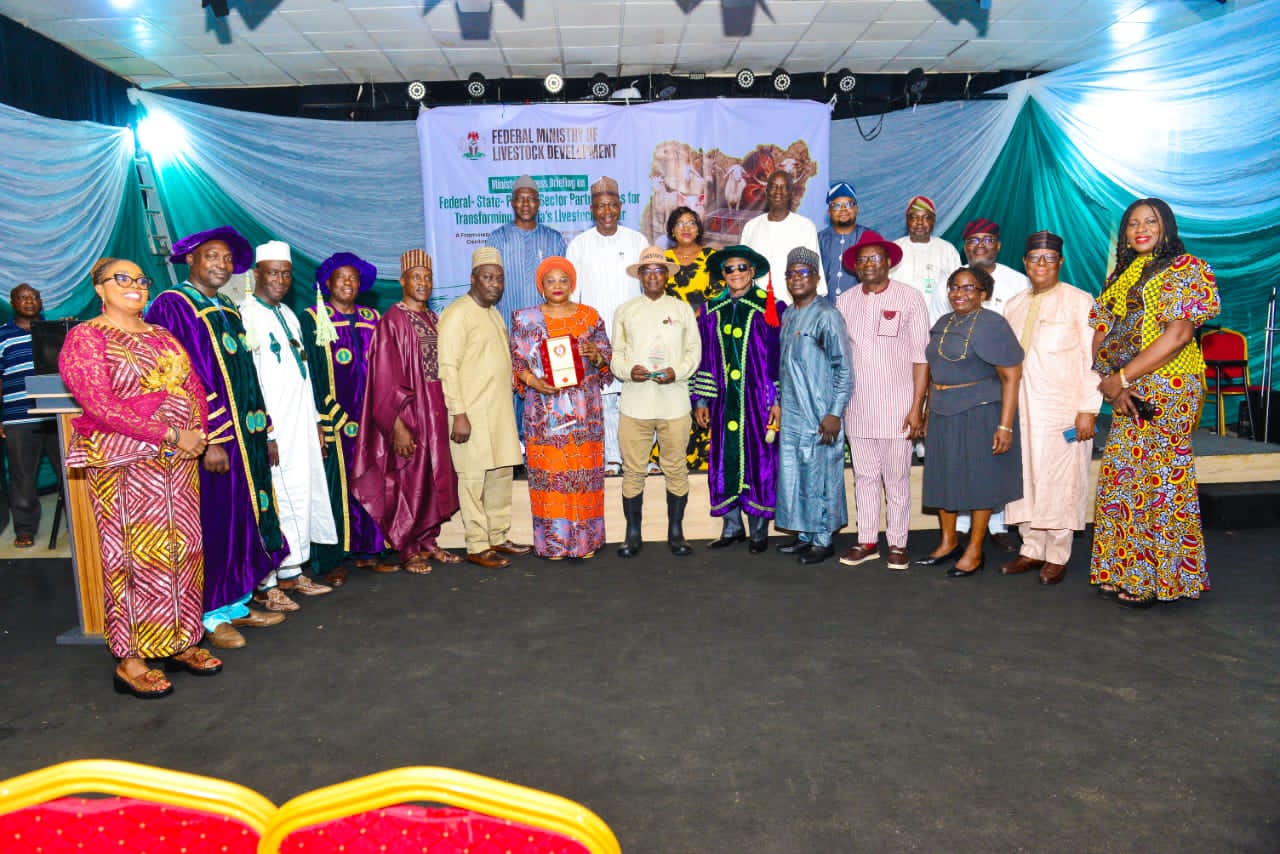
The engagement further featured virtual presentations by key partners from South Africa, as well as contributions from Directors, the Senior Special Assistant to the Honourable Minister and other officials of the Federal Ministry of Livestock Development.
The Federal Ministry of Livestock Development reaffirmed its commitment to strengthening strategic partnerships with local and international institutions as part of ongoing efforts to build a modern, productive, resilient and globally competitive livestock sector capable of contributing significantly to Nigeria's food security and economic development.
Henrietta Okokon
Deputy Director, Press and Public Relations Unit
26th August 2026

Comments on Post (0)