Image Gallery:
2026 Budget Defence: Livestock Ministry Targets Red Meat Export Revenue
The Federal Ministry of Livestock Development has reaffirmed its commitment to repositioning Nigeria’s livestock sector as a major contributor to national revenue and foreign exchange earnings through structured participation in the global red meat market.
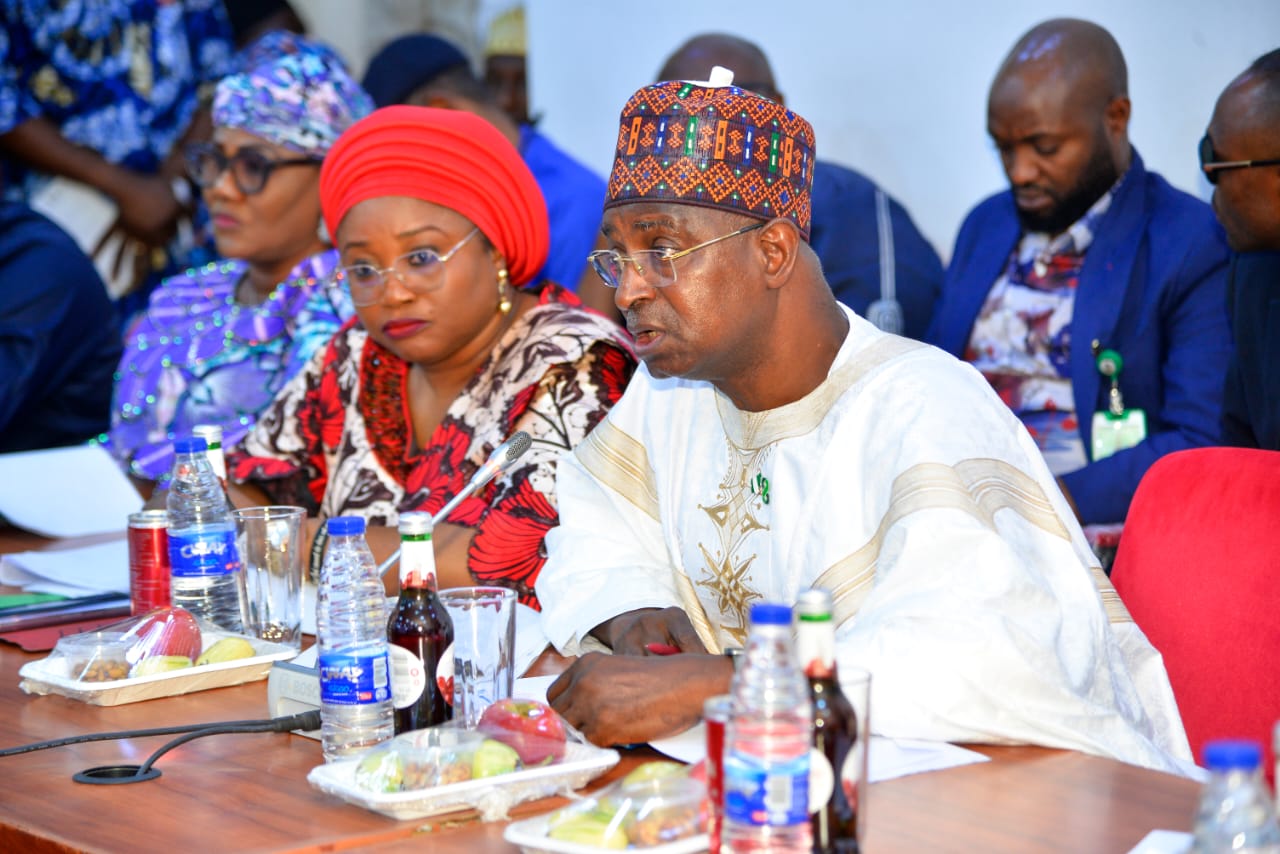
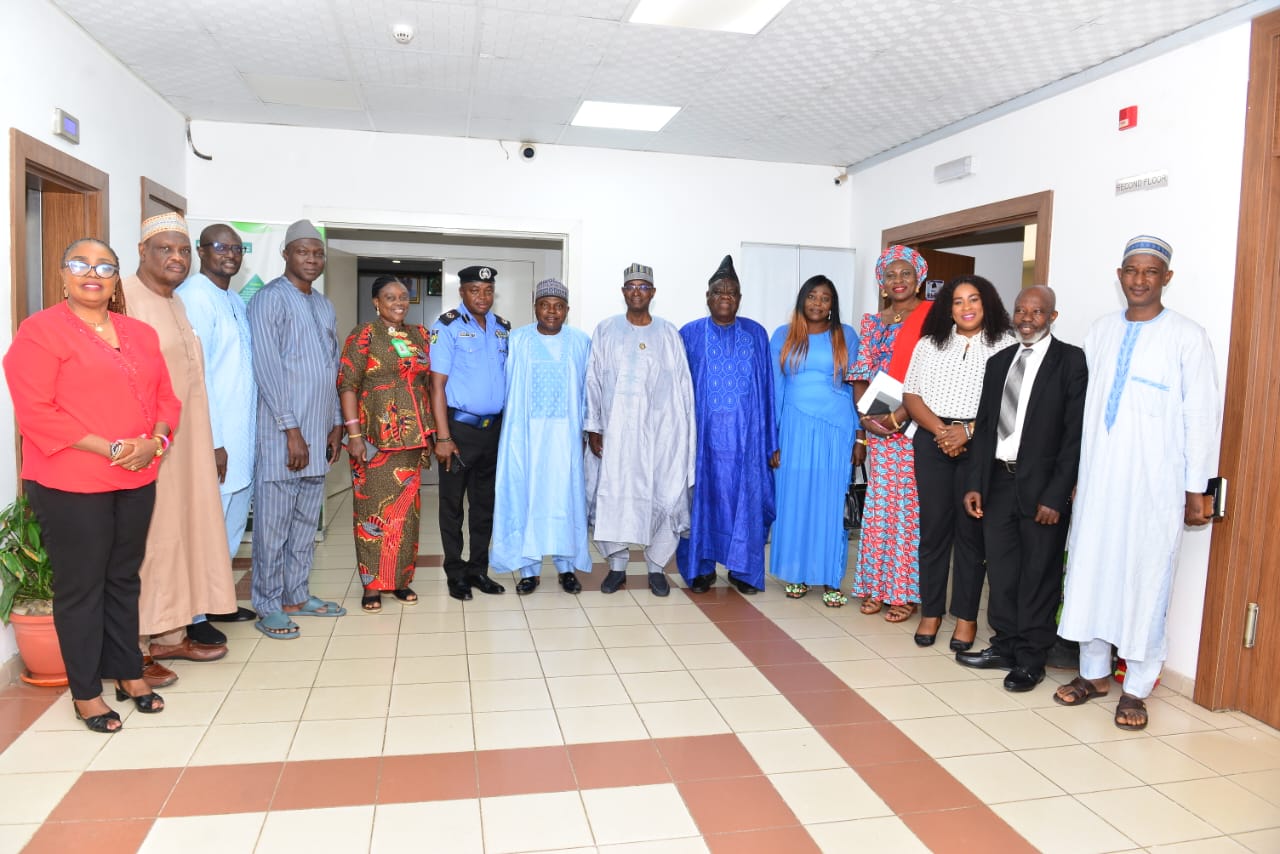
The Honourable Minister of Livestock Development, Idi Mukhtar Maiha, disclosed this during the Ministry’s 2026 budget defence before the Joint Committee of the National Assembly on Friday, 20th February, 2026.
The Minister explained that, as a newly established institution, the Ministry operated within limited fiscal releases in the previous budget cycle but applied prudent financial management to sustain core engagements, institutional coordination, and sectoral interventions.
He revealed that the Ministry received only N20 billion out of the N75 billion take-off grant for 2024 and had no budgetary release for 2025. This constrained funding, he said, limited the Ministry’s ability to implement key programmes, generate internal revenue, and create avenues for economic growth.
Maiha further stated that the Ministry is now prioritising the economic transformation of the livestock value chain, with particular focus on export-grade meat production and internal revenue generation.
“Nigeria possesses a large livestock population, yet we earn minimal value from it. Our objective is to move from subsistence production to a structured commercial system that supports exports, creates jobs, and generates revenue for the country. Our Ministry is well positioned to generate significant revenue, but limited budget releases have hindered our ability to create the necessary avenues to tap into the economy,” he said.
The Minister highlighted Nigeria’s significant opportunity in the international red meat market, estimated at over N3.2 trillion annually within accessible destination markets. However, he stressed that participation requires compliance with global standards, particularly in animal identification, traceability, and disease control.
He explained that the Ministry is implementing a national livestock identification and traceability framework to track animals, prevent theft and cattle rustling, and meet export standards. Feed and fodder development, through the rehabilitation of grazing reserves and service centres, aims to reduce seasonal migration, minimise conflict, and boost productivity. The Ministry is also pursuing genetic improvement programmes and strengthening animal health systems to significantly increase meat yield and dairy output.
Chairman of the Senate Committee on Livestock Development, Senator Umar Shehu Buba, stated that the budget review process is intended to ensure measurable impact, transparency, and alignment of sector investments with economic growth objectives.
“The livestock sector must transition from traditional practices to modern enterprise. Proper investment across the value chain will generate employment, reduce imports, and support national diversification,” he said.
The Senate Chairman highlighted the need for investments across the value chain such as breeding centres, artificial insemination, cold chain logistics, modern abattoirs and quality control, alongside policies that attract private sector participation and improve access to finance.
He further reiterated that livestock development can create massive employment, particularly for youth and women, reduce imports and conserve foreign exchange, but only if budget allocations are realistic, transparent and efficiently implemented.
Similarly, the House Committee Chairman on Livestock Development, Hon. Olawole Tasir Raji, and other members of the Joint Committee stressed the importance of improved funding for the Ministry, inter-governmental collaboration, and private sector participation to unlock the sector’s full economic potential.
In the 2026 Budget proposal, the Ministry has carried forward 70 percent of its 2025 capital allocation, in compliance with the Federal Government’s directive, bringing the capital budget for 2026 to N7.14 billion. Additionally, the Ministry has earmarked N1.8 billion to cover overhead and operational expenses for the year.
Oghenekevwe Uchechukwu
Head, Press and Public Relations
20th February, 2026

Comments on Post (0)