
Image Gallery:
FG, FAO, STAKEHOLDERS STRENGTHEN COLLABORATION TO CONTAIN AVIAN INFLUENZA IN NIGERIA
Deploy Avian influenza Decision Support Tool to Enhance Disease Prediction, Early Warning and Preparedness
The Federal Government, in collaboration with the Food and Agriculture Organization of the United Nations (FAO) and other stakeholders in the poultry value chain, has reaffirmed its commitment to strengthening efforts to prevent and contain the spread of Avian Influenza (AI) in Nigeria through the deployment of an Avian Influenza Decision Support Tool (AI-DST) under the Animal Mobility Intelligence Framework, ELEVATE.
The Chief Veterinary Officer of Nigeria (CVON), Dr. Samuel Anzaku, disclosed this on Monday, November 9, 2026, in Abuja, during the National Workshop and Training on the Avian Influenza Decision Support Tool.
Dr. Anzaku explained that, the AI-DST is designed to integrate animal mobility indicators, community-based reporting, migratory bird flyways, market hotspots and risk scenarios to predict potential disease outbreaks, track their possible spread and assess their economic implications.
He revealed that Kano and Lagos States had been selected as pilot locations for the initiative, owing to their high exposure to the disease.
According to him, the deployment of the tool will mark a significant shift from reactive disease control to proactive surveillance and prevention.
"If this works as intended, it will allow us to stop asking, 'Where has the disease already been?' and start asking, 'Where will it appear next, and what do we do this month to prevent it?'" he stated.
Emphasising the importance of reliable field data, the CVON noted that the effectiveness of predictive models largely depends on the quality, consistency and timeliness of information provided by relevant stakeholders.
He expressed concern that ,inconsistent reporting of bird mortality across states could compromise the accuracy of risk assessments, stressing the need for stronger collaboration among veterinary authorities, wildlife researchers, ecologists and ornithologists to monitor disease transmission at the wildlife-livestock interface.
Dr. Anzaku described the initiative as a practical demonstration of the One Health approach, explaining that the tool would provide a comprehensive assessment of disease transmission risks involving poultry, live bird markets and humans.
He stressed that, identifying high-risk locations would require coordinated interventions beyond veterinary services to include environmental surveillance, improved market hygiene, effective consumer risk communication and human health monitoring.
The CVON further urged stakeholders to embrace evidence-based findings from the risk assessments, noting that identifying live bird markets as potential amplifiers of disease transmission would require appropriate interventions, irrespective of the locations concerned.
While commending FAO for its technical support and investment through the ELEVATE project, TCP/NIR/4101, Dr. Anzaku called for the development of a Nigeria-specific Decision Support Tool that adequately reflects the country's ecological and epidemiological realities.
He identified an updated Avian Influenza Early Warning and Action Roadmap with clearly defined risk triggers, a validated map of the wild-domestic animal interface, and a proposal for a second phase of the project featuring full customisation and structured follow-up as some of the key expected outcomes of the workshop.
Providing an overview of the disease burden, Dr. Anzaku disclosed that Nigeria recorded 1,096 outbreaks of highly pathogenic avian influenza between 2015 and 2023, with approximately 6.9 million birds exposed to the disease and more than 5.7 million birds culled.
Earlier, the FAO Country Team Lead for Livestock in Nigeria, Dr. Otto Vianney, described the AI-DST as a newly developed predictive tool being introduced in Nigeria as a pilot initiative, with prospects for wider deployment across other countries in the region.
He noted that , the initiative represents Nigeria's first effort to deploy a predictive system capable of identifying potential Avian Influenza hotspots before outbreaks occur, thereby enabling authorities to take timely preventive measures.
According to him, the tool uses scientific data and risk analysis to identify areas susceptible to disease emergence and guide targeted interventions.
Dr. Vianney emphasised that, in the absence of vaccination against Avian Influenza, strengthening biosecurity measures ahead of anticipated outbreaks remains critical to preventing the spread of the disease.
He noted that preventive biosecurity interventions should be implemented well ahead of potential outbreaks, preferably three months before the anticipated occurrence of cases.
In her presentation on the ELEVATE project, the Senior Disease Ecology and Risk Modelling Expert and Project Coordinator at FAO Headquarters, Rome, Claudia Pittiglio, identified three major pillars of the initiative: wild bird mobility and the wildlife-livestock interface; market and trade mobility; and scenario analysis.
She further explained that, data analysis and phylogenetic studies had indicated possible multiple introductions of the H5N8 strain from different wetlands where wild birds interact with domestic ducks, underscoring the importance of monitoring migratory pathways and interactions between wildlife and domestic animals.
In his goodwill message, the Executive Director and Chief Executive Officer of the National Veterinary Research Institute (NVRI), Vom, Plateau State, Dr. Dashe Yakubu, acknowledged FAO's sustained support for disease diagnosis and surveillance in Nigeria, particularly in addressing Avian Influenza and other transboundary animal diseases.
He called for stronger and sustained collaboration between the Institute and FAO to further enhance Nigeria's capacity for disease prevention, early detection, diagnosis and control.
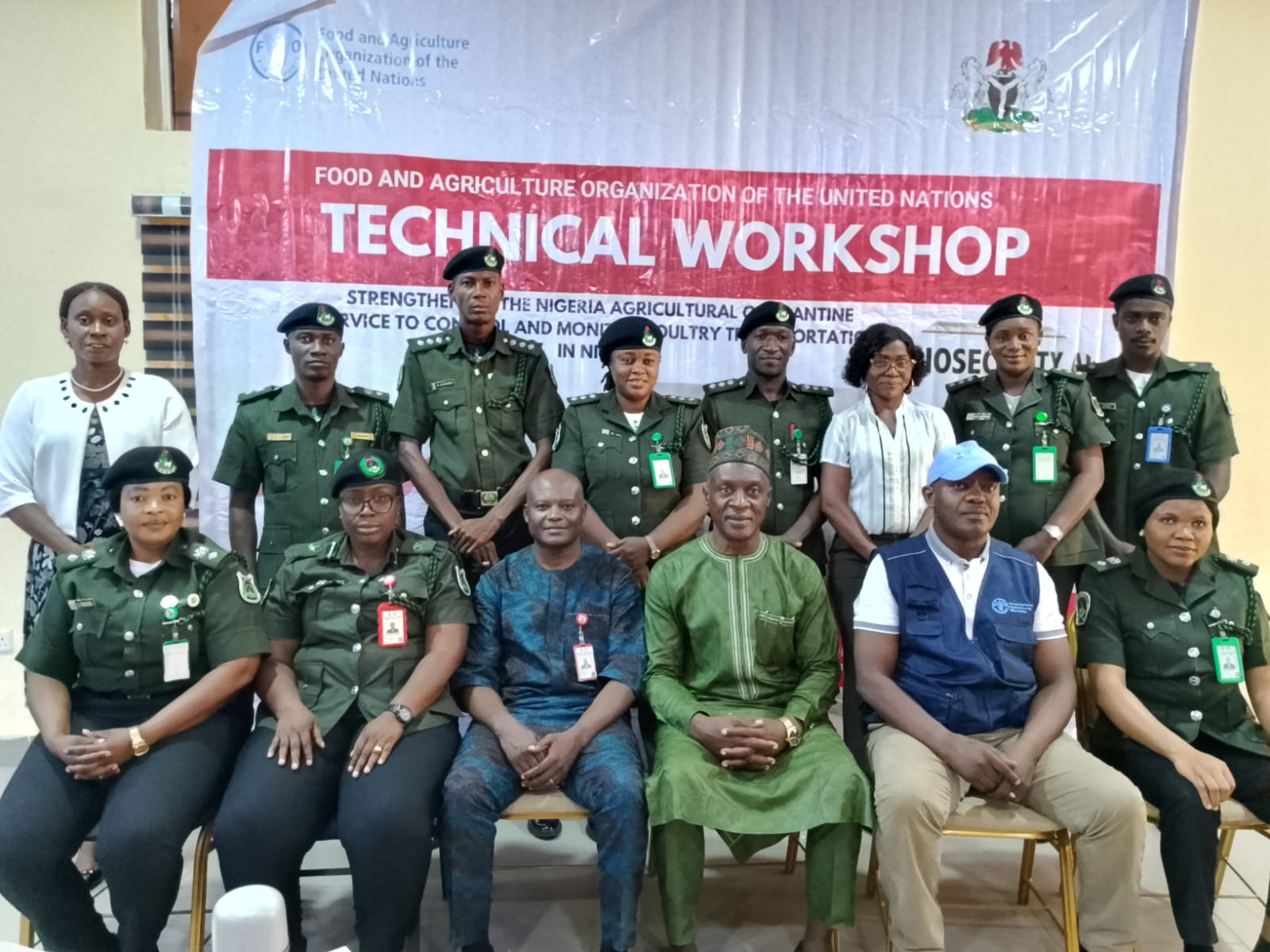
Other goodwill messages were delivered by representatives of the Federal Ministry of Agriculture and Food Security; Federal Ministry of Environment; Federal Ministry of Health and Social Welfare; Nigeria Centre for Disease Control (NCDC); Nigeria Agricultural Quarantine Service (NAQS); National Park Service (NPS); and the Director of Veterinary Services, Taraba State, among other stakeholders.
The stakeholders unanimously reaffirmed their commitment to strengthening inter-agency collaboration through the One Health approach to improve disease surveillance, enhance early warning systems, strengthen preparedness and contain the spread of Avian Influenza in Nigeria.
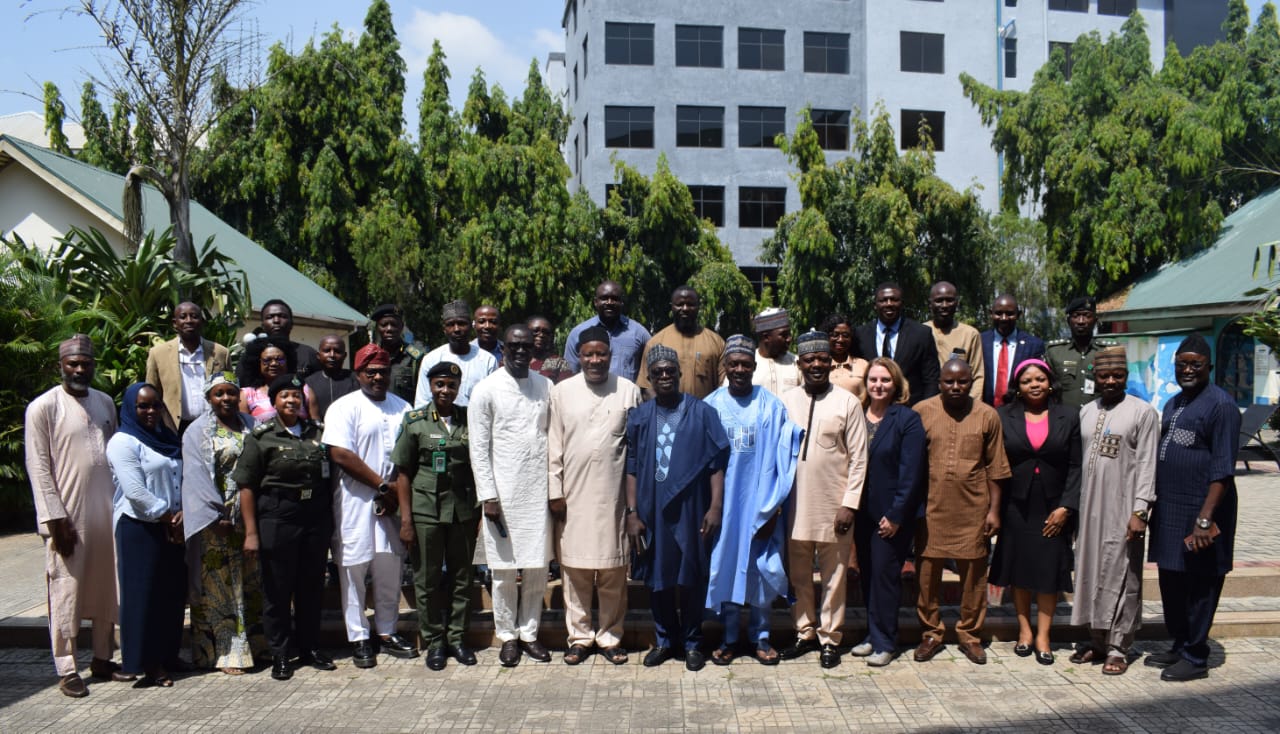
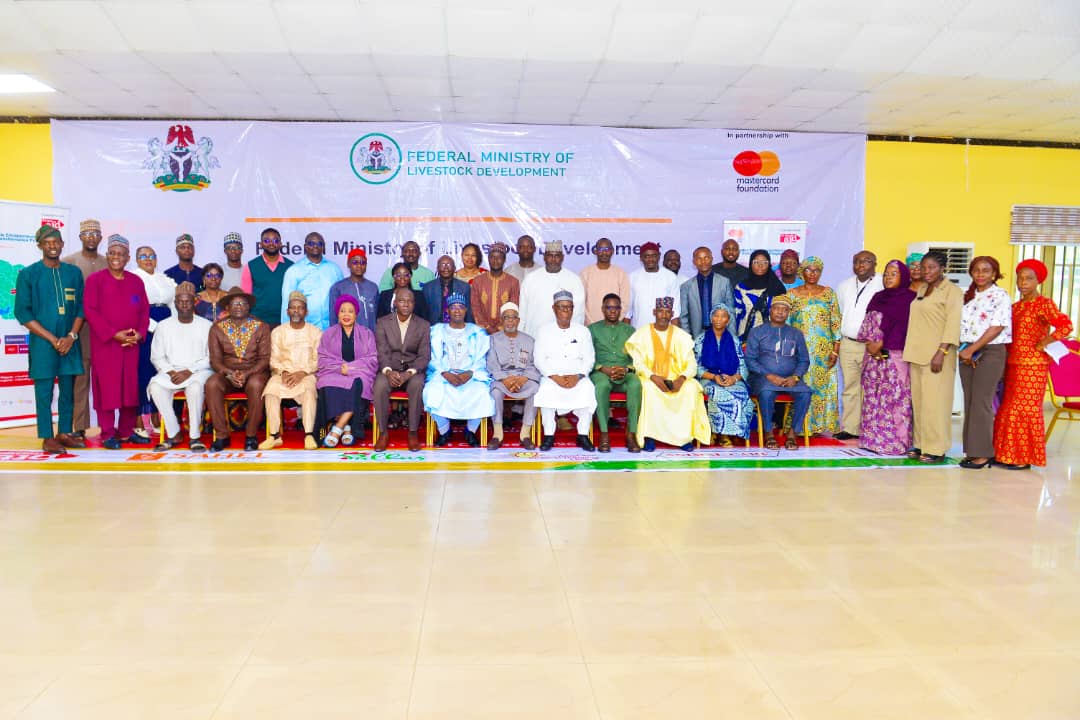
The four-day workshop brought together approximately 44 participants from relevant government institutions, including the Federal Ministry of Livestock Development, research organisations, the private sector and other stakeholders across the poultry value chain.
The initiative is expected to strengthen Nigeria's disease intelligence and preparedness systems, protect poultry production and livelihoods, safeguard public health and support the Federal Government's commitment to building a more resilient and productive livestock sector.
Ogochukwu Igboamalu
For: Deputy Director,
Press and Public Relations Department
November 10, 2026


Comments on Post (0)