
Image Gallery:
FG Deepens Livestock Reforms, Addresses Middlemen Bottlenecks
The Federal Government has announced decisive steps to address the role of middlemen in driving price distortions and artificial scarcity within Nigeria’s livestock sector, as part of broader reforms to improve food affordability and strengthen value chain efficiency.
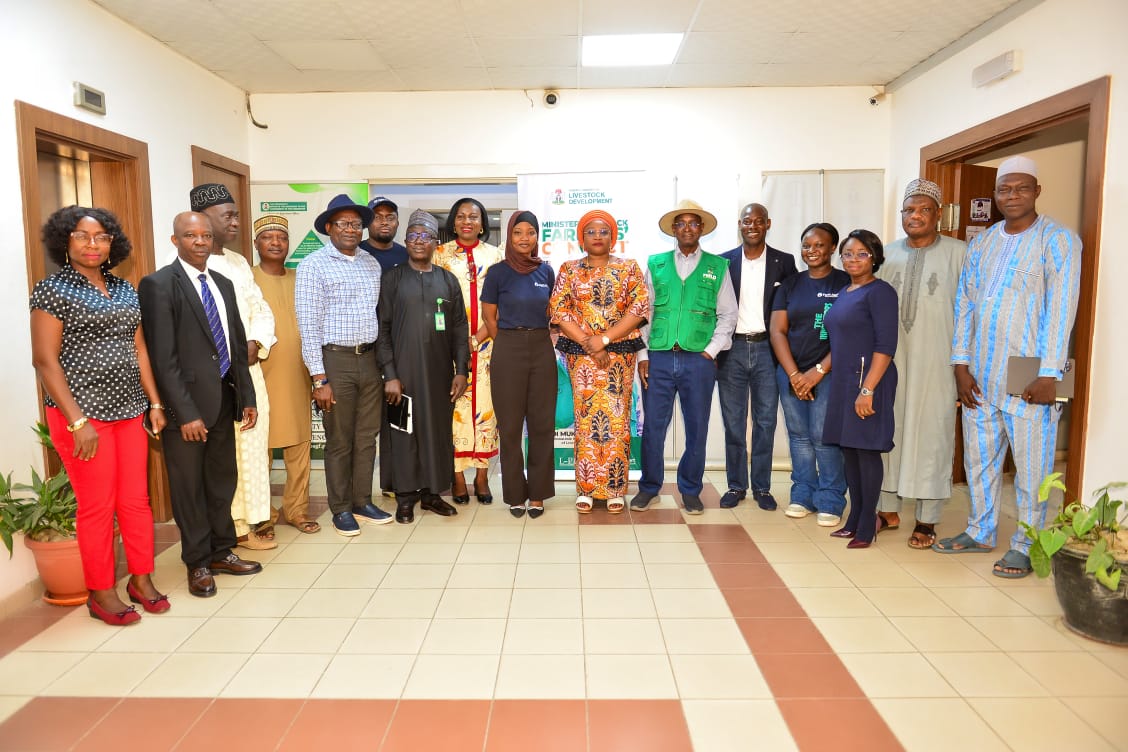
Speaking at the maiden edition of the Minister–Livestock Farmers’ Connect held on Tuesday, 24th March 2026, the Honourable Minister of Livestock Development, Idi Mukhtar Maiha, identified the dominance of middlemen in the livestock value chain as a major challenge, noting that producers earn less while intermediaries capture disproportionate margins before products reach processors and consumers.
“In many cases, the producer does the hard work, but earns the least, while the middleman takes the highest margin. This ultimately drives up prices and creates artificial scarcity in the market,” the Minister stated.
To address this imbalance, the Ministry is encouraging a shift towards end-to-end business models, where producers establish direct relationships with processors, abattoirs, and large-scale buyers. This approach, the Minister explained, will not only improve farmer incomes but also stabilise prices and enhance overall market transparency.
As part of ongoing reforms, the Ministry also revealed plans to introduce a live-weight pricing system for livestock, in line with global best practices. The system will ensure that animals are sold based on measurable weight, eliminating guesswork and reducing opportunities for exploitation within the market chain.
Beyond market reforms, the Minister used the platform to highlight vast untapped investment opportunities across the livestock sector. He pointed to critical gaps in pasture seed production, fodder supply, dairy aggregation, leather processing, and livestock by-products, noting that these areas present viable entry points for entrepreneurs, particularly the youth population.
Mukhtar also reaffirmed the Federal Government’s commitment to transition from open grazing to more organised livestock production systems, explaining that the move is aimed at reducing transhumance, improving productivity, mitigating farmer-herder conflicts, and strengthening animal health management.
“While humans can move, animals perform better when they are properly managed in structured environments. This improves productivity, reduces disease spread, and enhances overall sector efficiency,” he said.
He further disclosed that Nigeria’s fodder market is rapidly expanding, with increasing domestic trade and strong export potential to Gulf countries, where demand remains high. Similarly, he noted that the leather industry alone has the capacity to generate up to 700,000 jobs, reinforcing the sector’s role in economic empowerment and industrial development.
Addressing access to finance, the Minister outlined multiple funding channels available to investors, including the recapitalised Bank of Agriculture, the Nigeria Incentive-Based Risk Sharing System for Agricultural Lending (NIRSAL)-supported facilities, the Development Bank of Nigeria, and intervention funds under World Bank-backed programmes. He, however, stressed the importance of structured business planning, particularly the need for clearly defined off-take arrangements to reduce investment risk.
On the issue of security, the Minister acknowledged the challenges posed by cattle rustling and rural insecurity, announcing plans to deploy digital livestock tagging and traceability systems. The initiative will enable proof of ownership, real-time tracking, and recovery of stolen animals, with pilot implementation expected to commence in select states within six months.
In a major push towards digital transformation, the Minister announced that the Livestock Public Digital Infrastructure will be launched soon as a central platform for stakeholder engagement, data access, and investment facilitation.
According to him, the platform will allow investors and stakeholders, both within and outside Nigeria, to remotely access information about the livestock sector, identify opportunities, and engage directly with the Ministry.
“You do not need to be physically present to participate in Nigeria’s livestock economy. Through the digital platform, anyone can explore opportunities, connect with stakeholders, and position themselves within the value chain,” he noted.
In her welcome remarks, the Permanent Secretary, Dr. Chinyere Ijeoma Akujobi, stated that the town hall underscores the Ministry’s commitment to inclusive dialogue, transparency, and active stakeholder engagement in shaping policies and programmes that will strengthen Nigeria’s livestock industry.
She noted that the platform also allows the Ministry to hear directly from farmers, veterinarians, animal scientists, paraprofessionals, producers, exporters, and the general public, ensuring that their perspectives inform ongoing reforms.
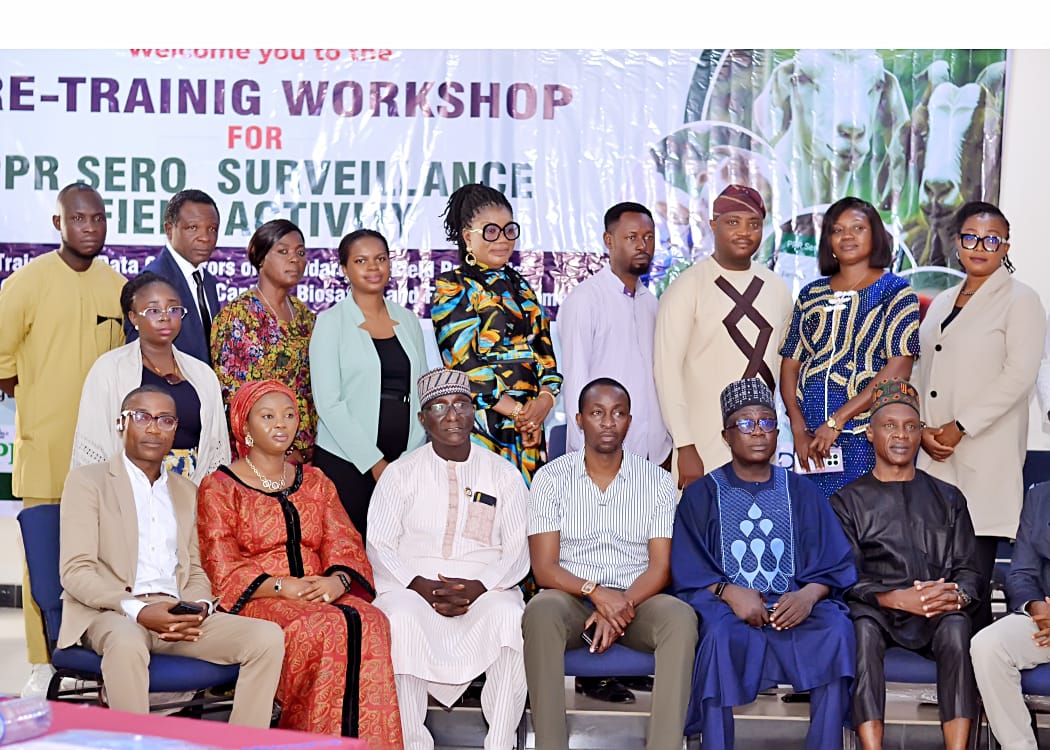
The Minister–Livestock Farmers’ Connect, organised in partnership with Farm Alert and the Livestock Productivity and Resilience Support (L-PRES) Project, is expected to serve as a regular platform for dialogue, to deepen collaboration, amplify stakeholder voices, and accelerate the transformation of Nigeria’s livestock sector.
Ogochukwu Igboamalu
Assistant Chief Executive Officer (Information)
24th March, 2026

Comments on Post (0)